The Journey of the African Slave Trade (Expanded African Historical Tale)
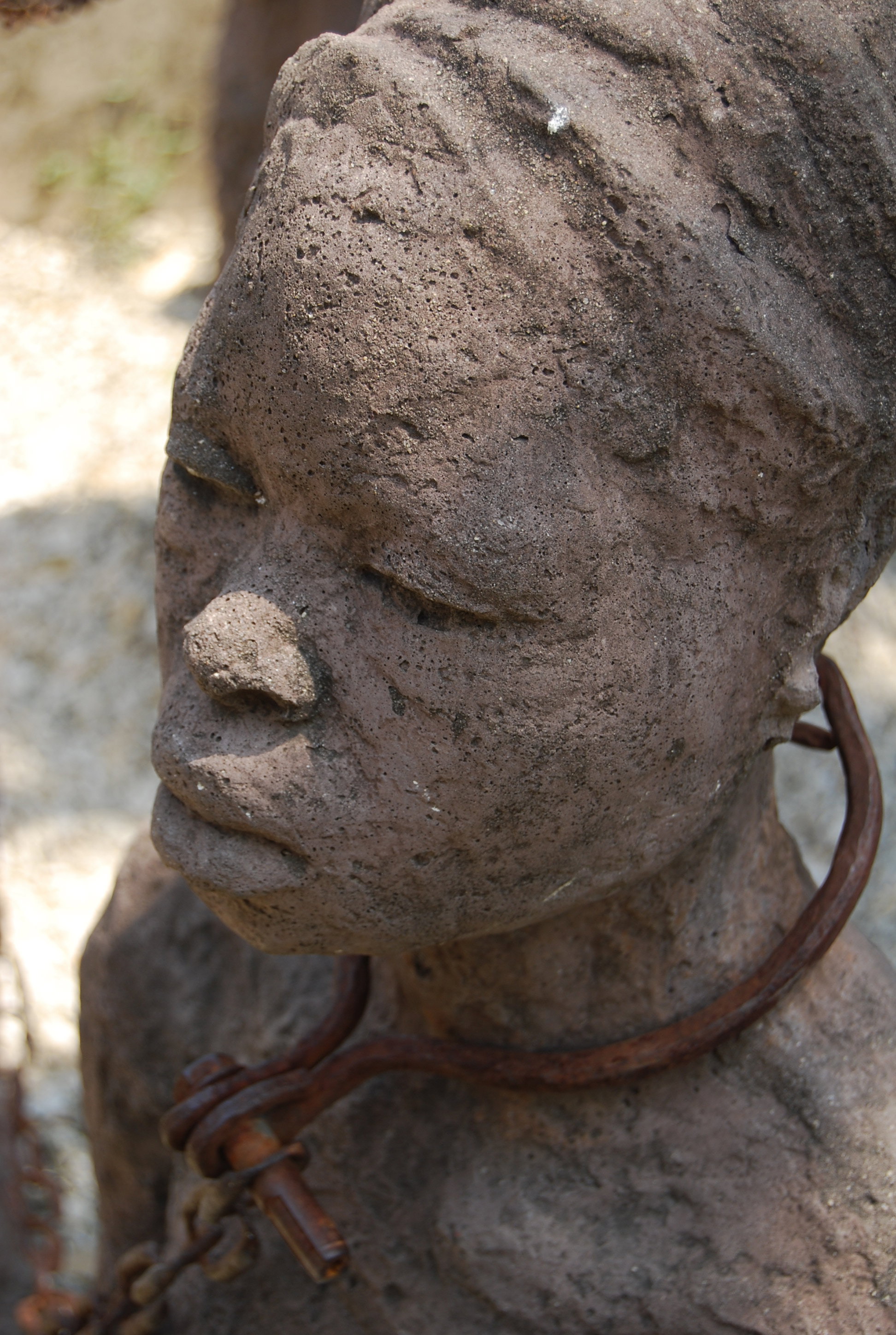
Long before the twentieth century, Africa was a land of thriving kingdoms, rich cultures, and flourishing trade routes. Great empires such as , , and the stood as symbols of wealth, knowledge, and power. However, one of the darkest chapters in African history emerged with the rise of the transatlantic slave trade.The slave trade did not begin in 1918. Historians generally trace the beginning of the transatlantic slave trade to the 15th century, when Portuguese explorers arrived on the West African coast. The Portuguese initially came seeking new trade routes, gold, spices, and opportunities to spread Christianity. Over time, however, their interests expanded into the buying and selling of enslaved Africans.As European demand for labor increased in the Americas, the Portuguese began transporting captured Africans across the Atlantic Ocean. Men, women, and children were taken from their homes, often through wars, raids, kidnappings, and local conflicts. They were marched to coastal forts and prisons where they awaited ships bound for distant lands.The journey across the Atlantic became known as the Middle Passage. Conditions aboard the ships were cruel and inhumane. Hundreds of people were packed tightly into dark, crowded spaces. Disease, hunger, and abuse were common. Many did not survive the voyage.Soon, other European powers joined the trade. Nations such as , , , and the established trading posts along the African coast. They exchanged goods such as guns, textiles, and alcohol for enslaved people, creating a vast network that stretched across continents.For centuries, millions of Africans were transported to plantations in the Americas and the Caribbean. There, they worked under harsh conditions producing sugar, cotton, tobacco, and other valuable crops that enriched European economies. Families were separated, cultures were disrupted, and countless lives were lost.Yet, despite the suffering, African resilience endured. Enslaved Africans preserved their languages, music, traditions, and spiritual beliefs. Many resisted slavery through revolts, escapes, and acts of courage. Their descendants continued the struggle for freedom and justice.By the late eighteenth and nineteenth centuries, abolition movements began gaining strength. Human rights advocates, religious leaders, former slaves, and reformers spoke out against the cruelty of slavery. Gradually, countries began outlawing the slave trade. The United Kingdom abolished its slave trade in 1807, and other nations followed. Although slavery itself continued in some places for many years, the transatlantic trade eventually declined and ended.Today, the story of the African slave trade serves as a reminder of humanity's capacity for both cruelty and resilience. It is a history of pain and loss, but also of survival, courage, and the enduring strength of African people whose legacy continues to shape the world.Moral of the Tale:
History must be remembered, not to reopen old wounds, but to learn from them, honor those who suffered, and build a future founded on dignity, equality, and justice.